Stories from the Table · Ep. 01
Pozole
The ancient secret isn't the pork — it's what happens to the corn.
Pozole begins with nixtamalization: dried corn is cooked and soaked in cal (slaked lime), then rinsed and rubbed to loosen the skins. Cooked again, the kernels burst open into hominy. The name comes from the Nahuatl pozolli, and the technique is thousands of years old: it unlocks the corn's nutrition and gives pozole its unmistakable chew. Pork came later, with the Spanish. The corn was always the point.
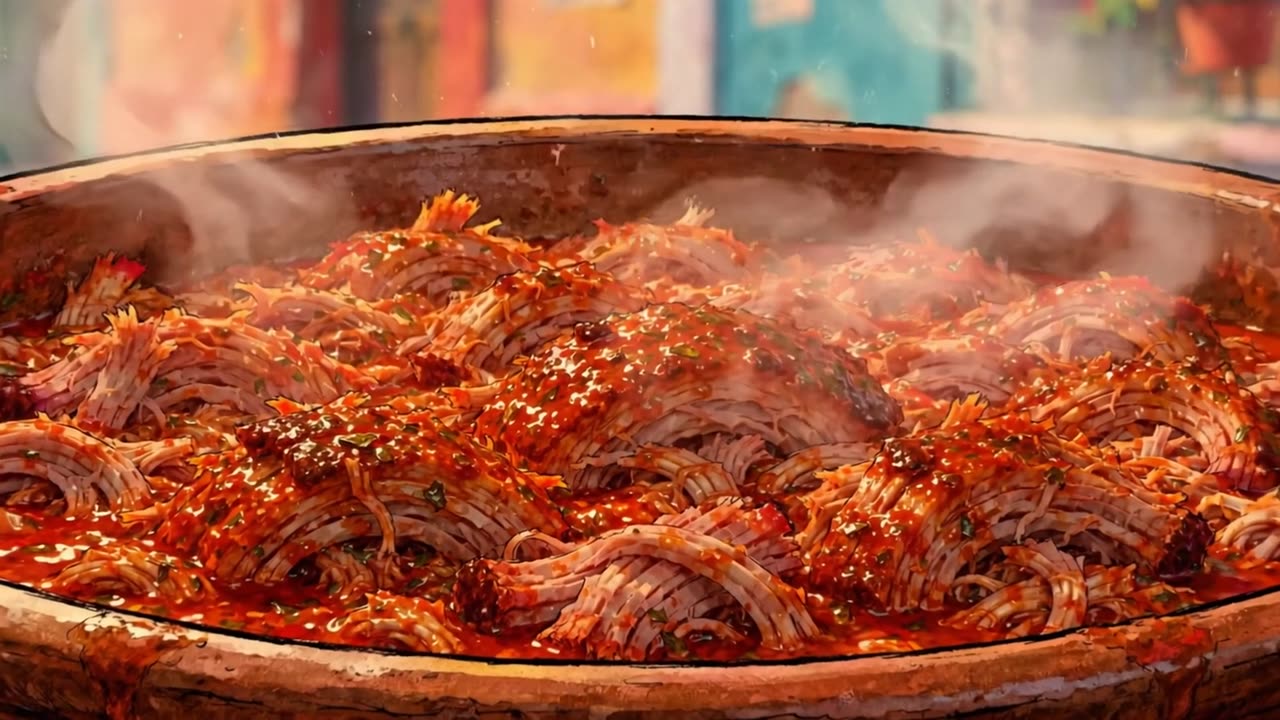
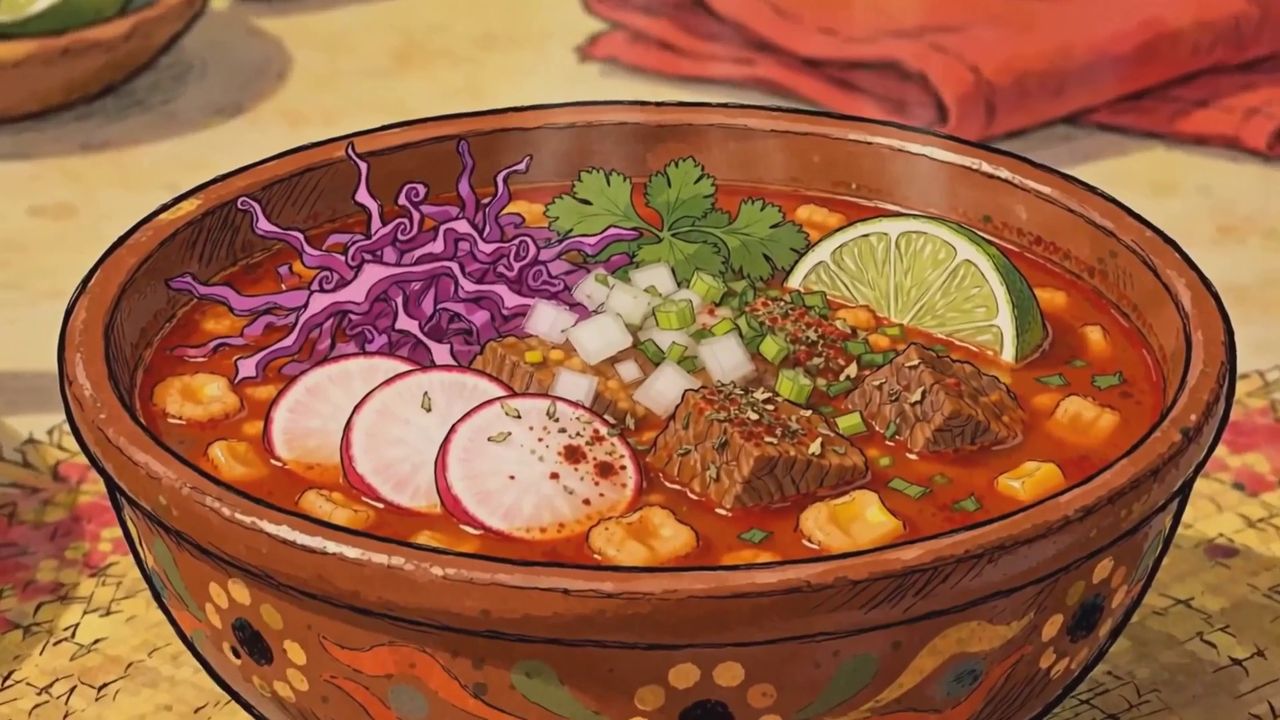
One pot, three colors: blanco (clear and bright), rojo (guajillo and ancho) and verde (tomatillo and pumpkin seed). Below is the rojo from our first episode, followed by how to turn the same pot blanco or verde.
Step by step
-
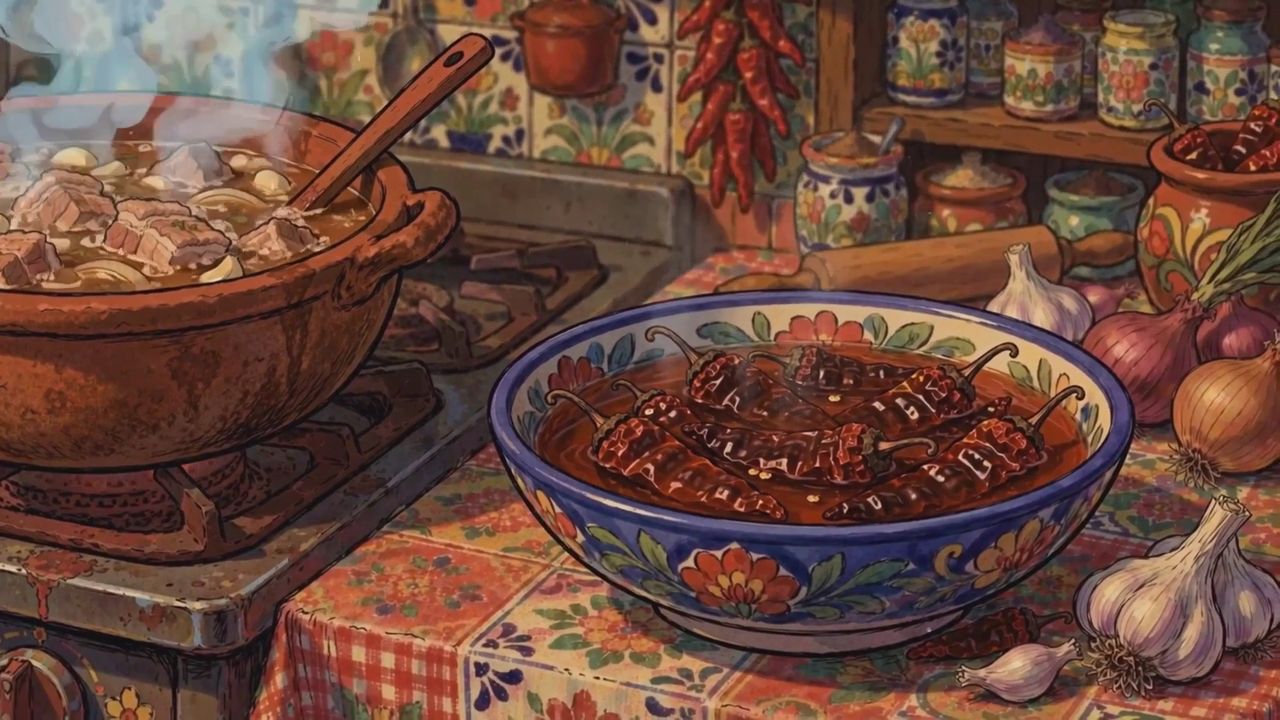
Cook the pork
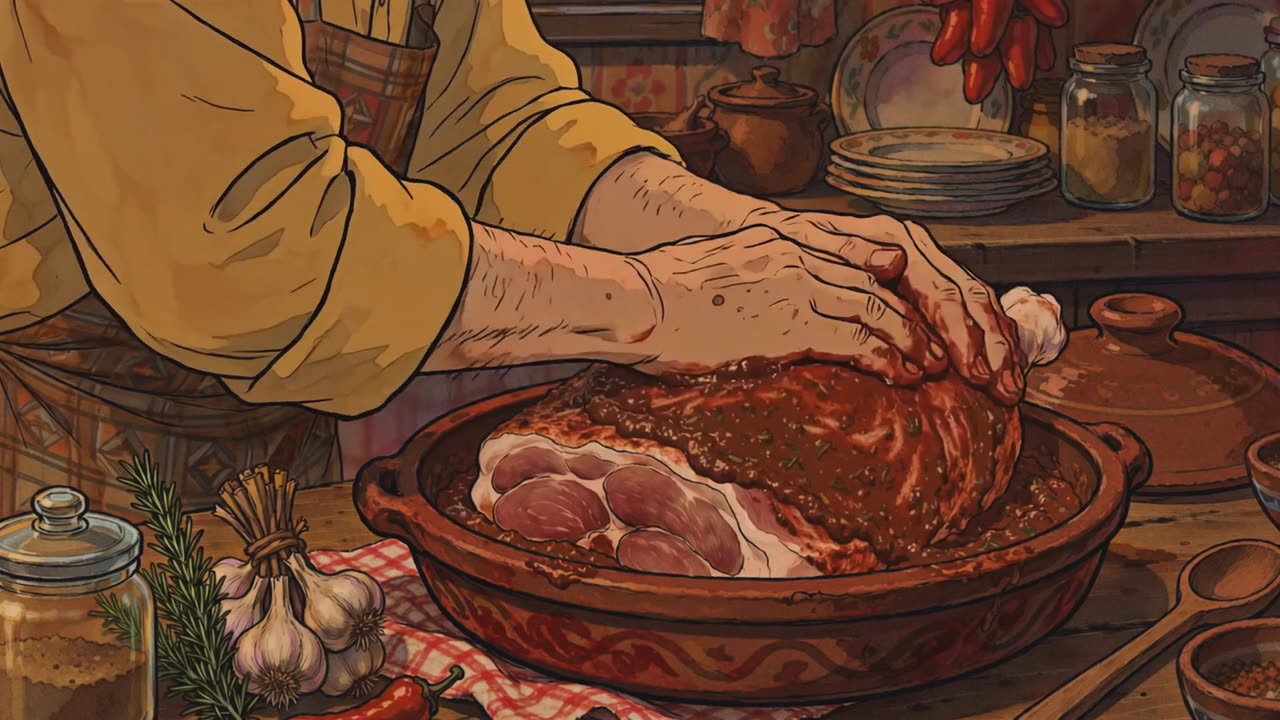
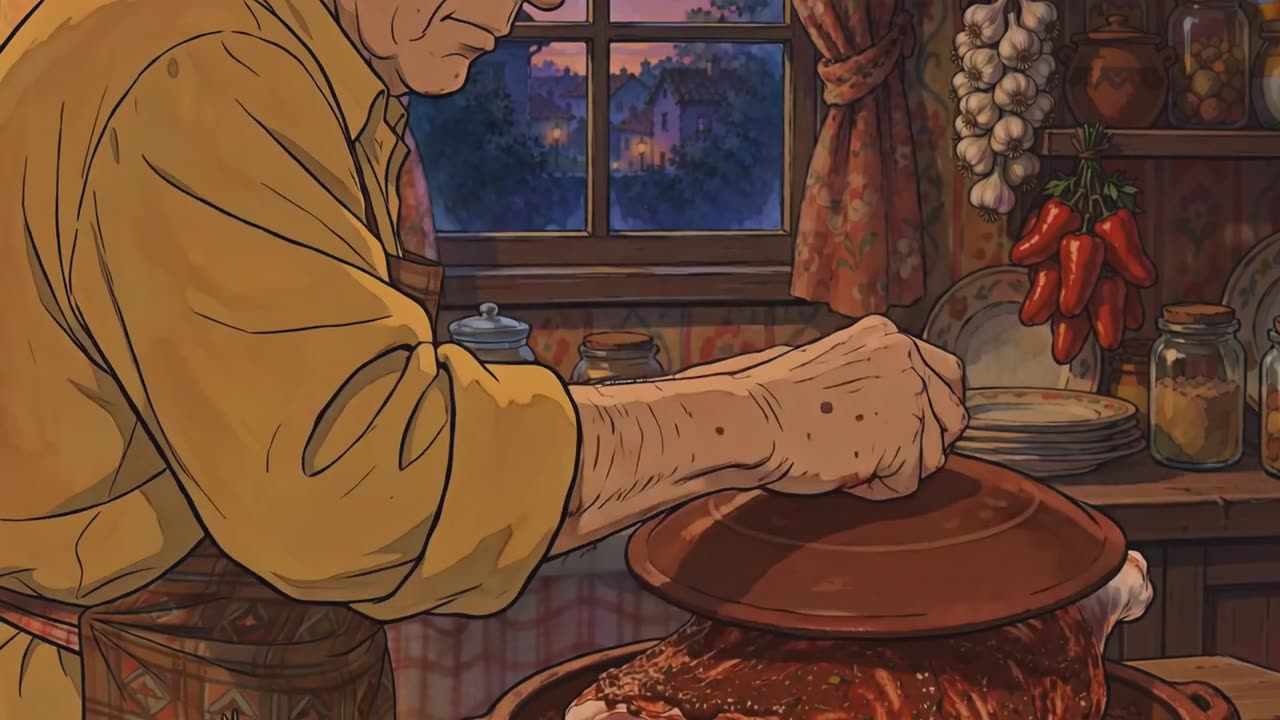
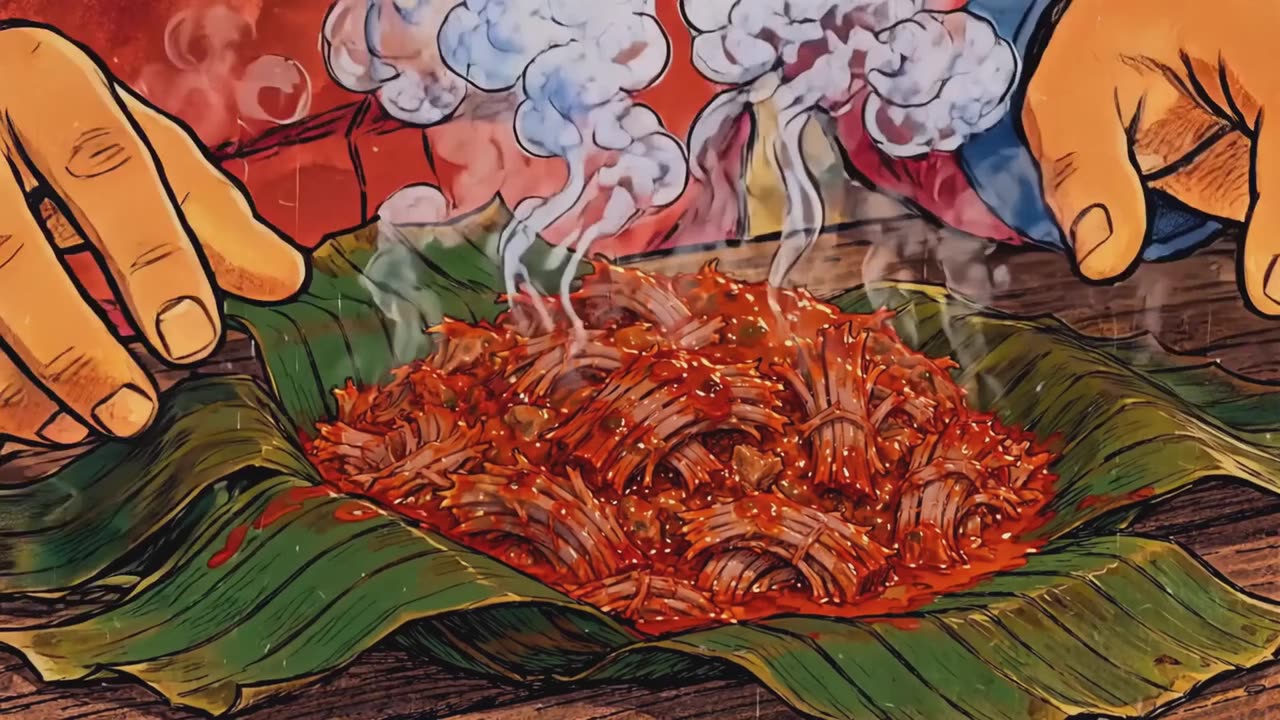
Cover the seasoned pork with the water; add the onion, garlic and bay. Simmer gently about 2 hours, skimming, until the pork is tender. Lift it out, shred it coarsely, and strain the broth back into the pot.
-
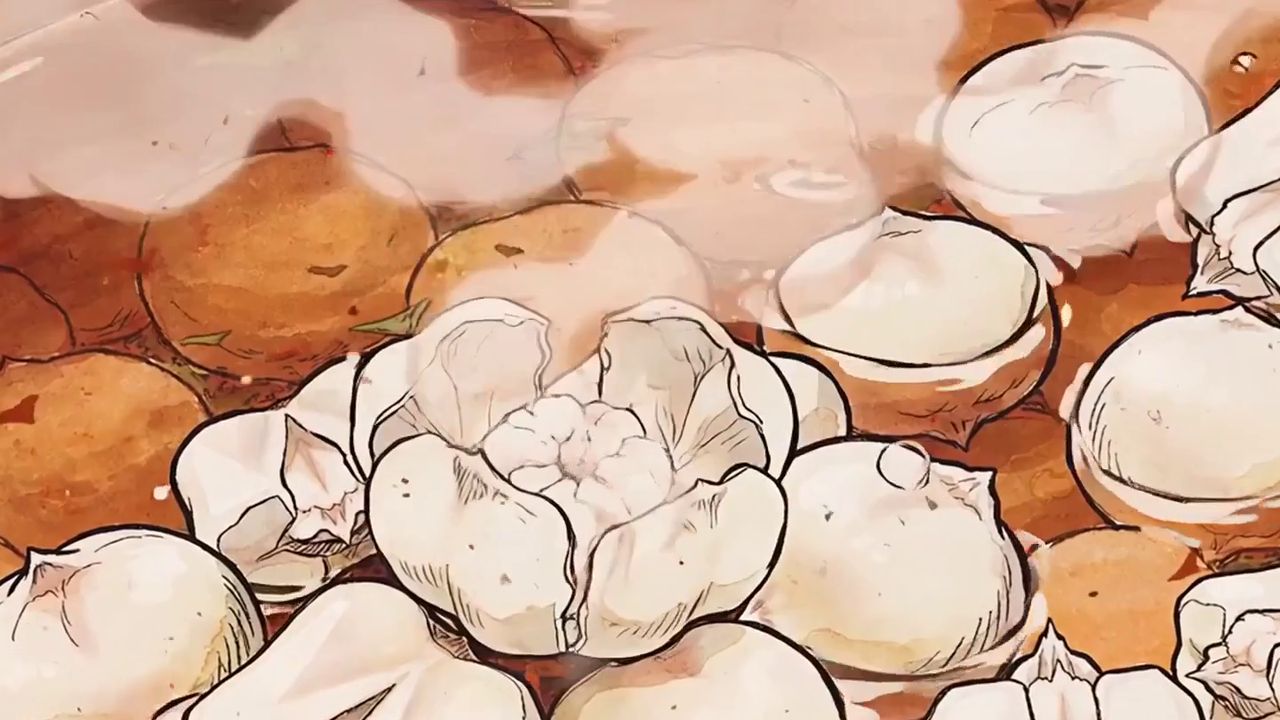
Add the hominy
Stir the hominy into the broth and simmer 30 minutes, so the kernels drink in the broth.
-
Make the rojo
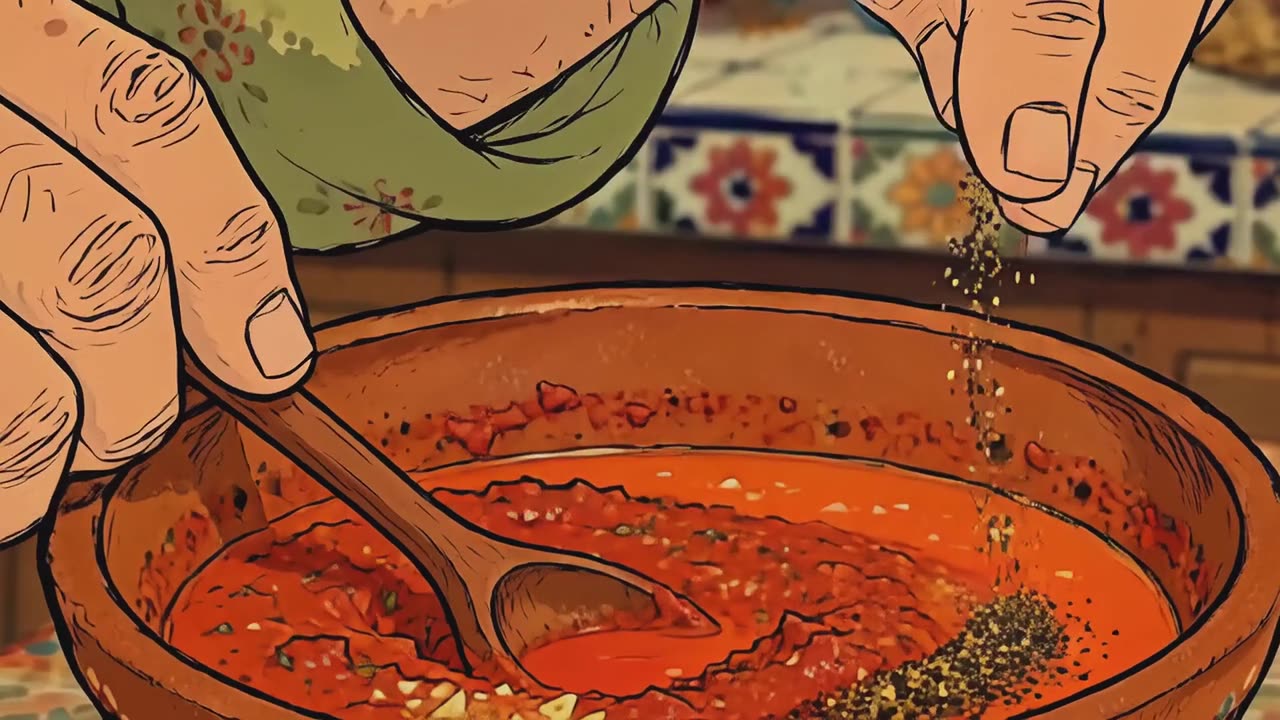
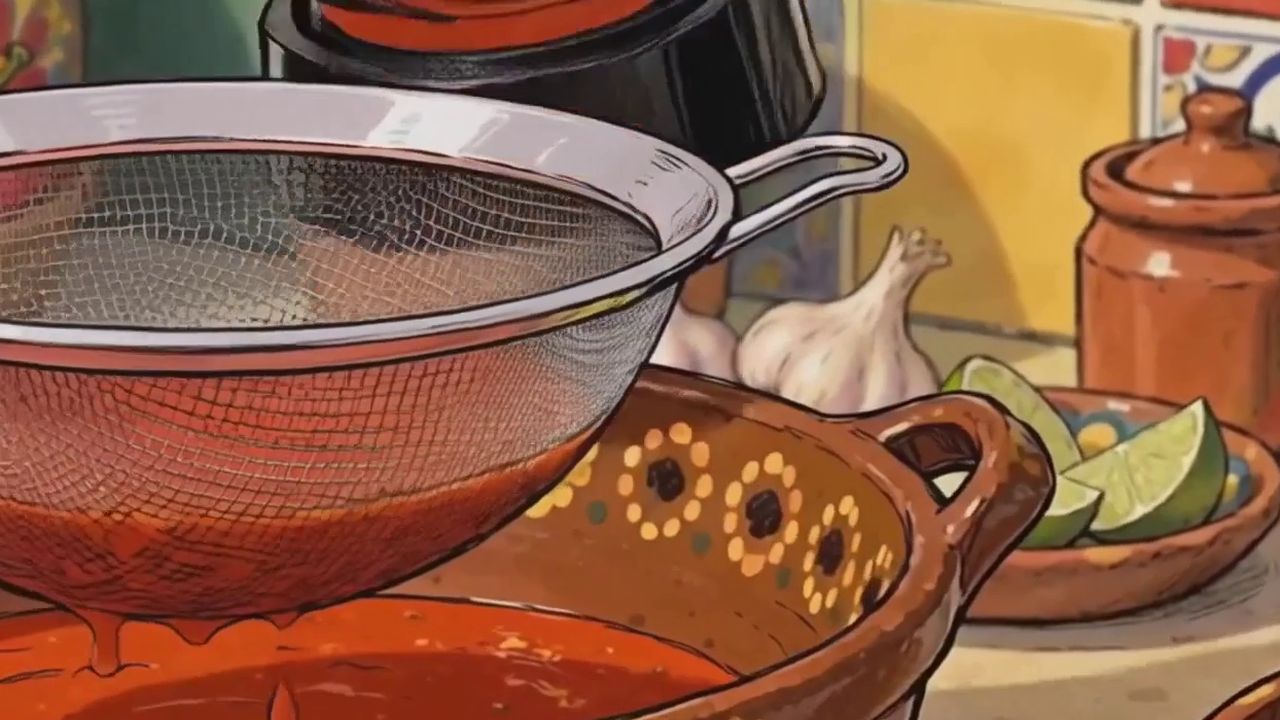
Toast the chiles briefly in a dry skillet until fragrant, then soak in hot water 20 minutes. Blend with the garlic, oregano, cumin and a cup of their soaking liquid. Strain the sauce into the pot — the straining is what makes it silky.
-
Bring it together
Simmer 20 minutes more. Return the pork, taste for salt, and simmer 10 minutes. The broth should be rich, red and clear — never thick.
-
Serve family style
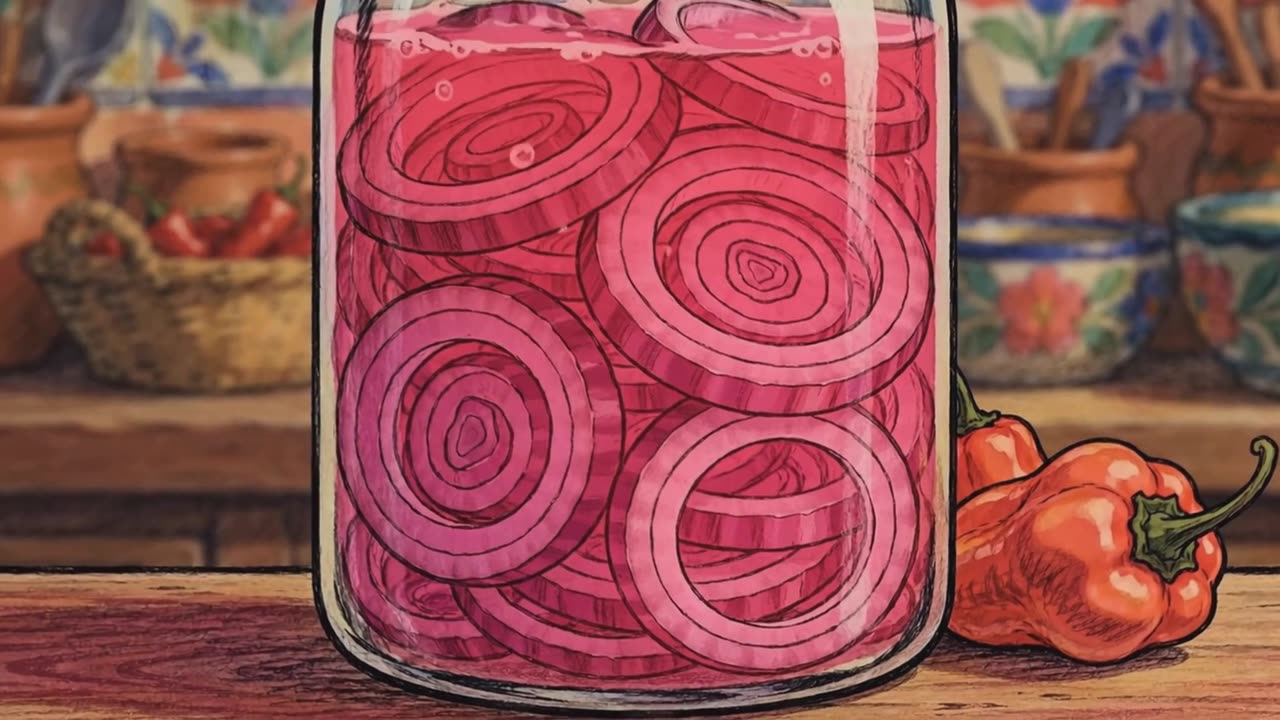
Ladle into deep bowls and put the garnishes in the middle of the table: lettuce, radish, onion, oregano, lime. Everyone finishes their own bowl. That's a rule, not a suggestion.